The story of the ride
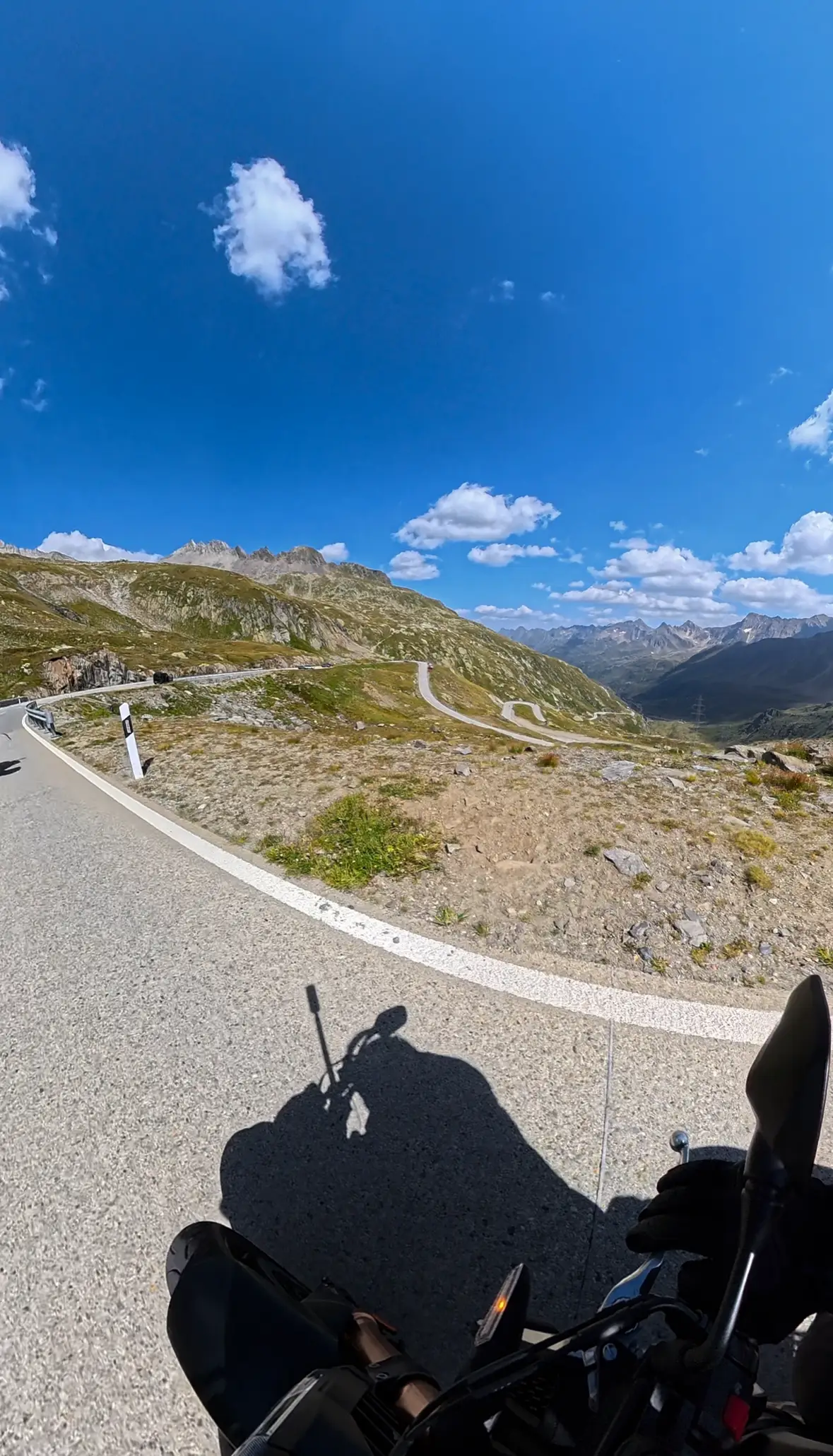
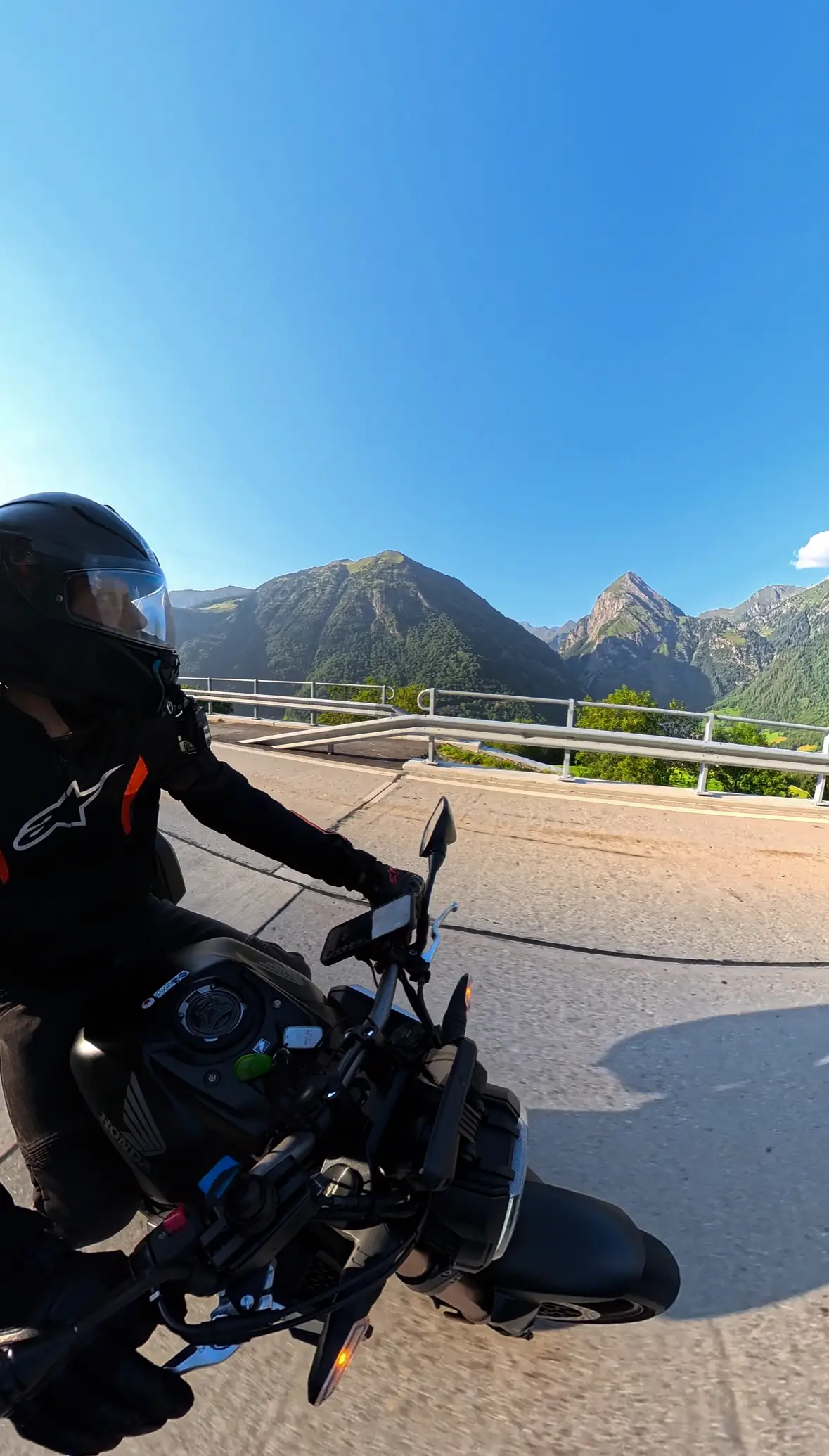
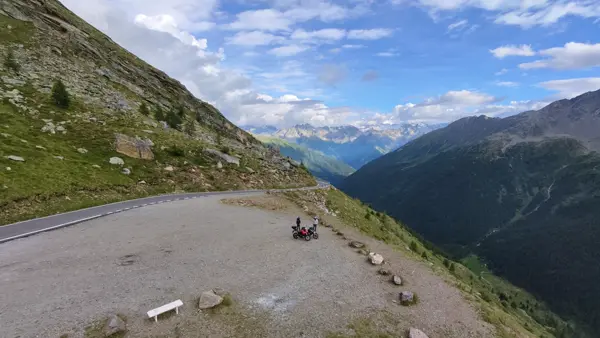
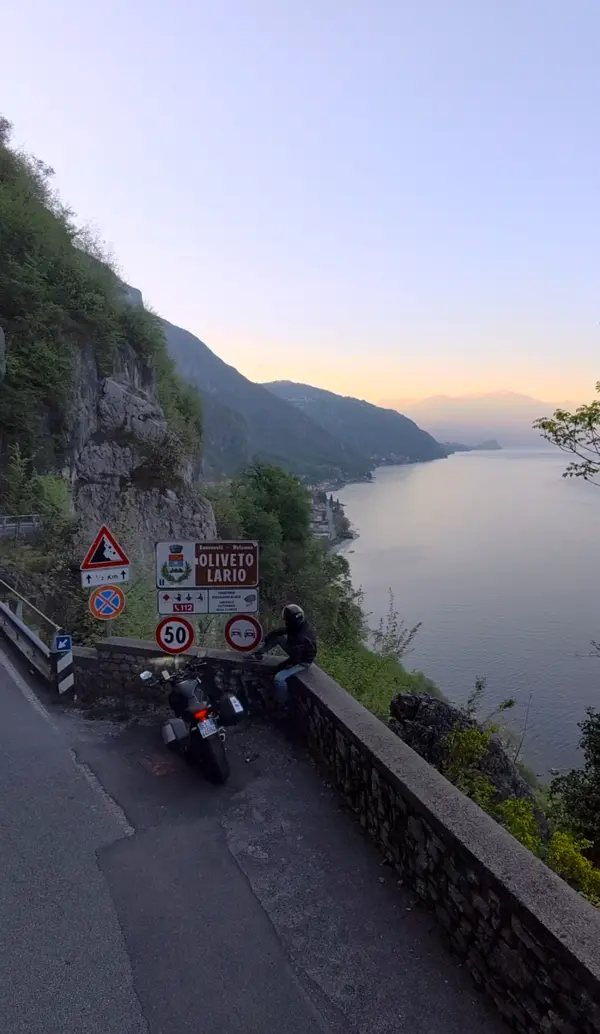
The Swiss Roller Coaster may well be the most beautiful motorcycle itinerary in Switzerland: a journey across some of the most spectacular and iconic Alpine passes, Simplon, Furka, Susten, Grimsel, Nufenen, the Tremola of the Gotthard, Oberalp and Lukmanier, with the Rhône Glacier and the St. Beatus Caves along the way. Tight bends, breathtaking views and legendary roads every rider should experience at least once in a lifetime.
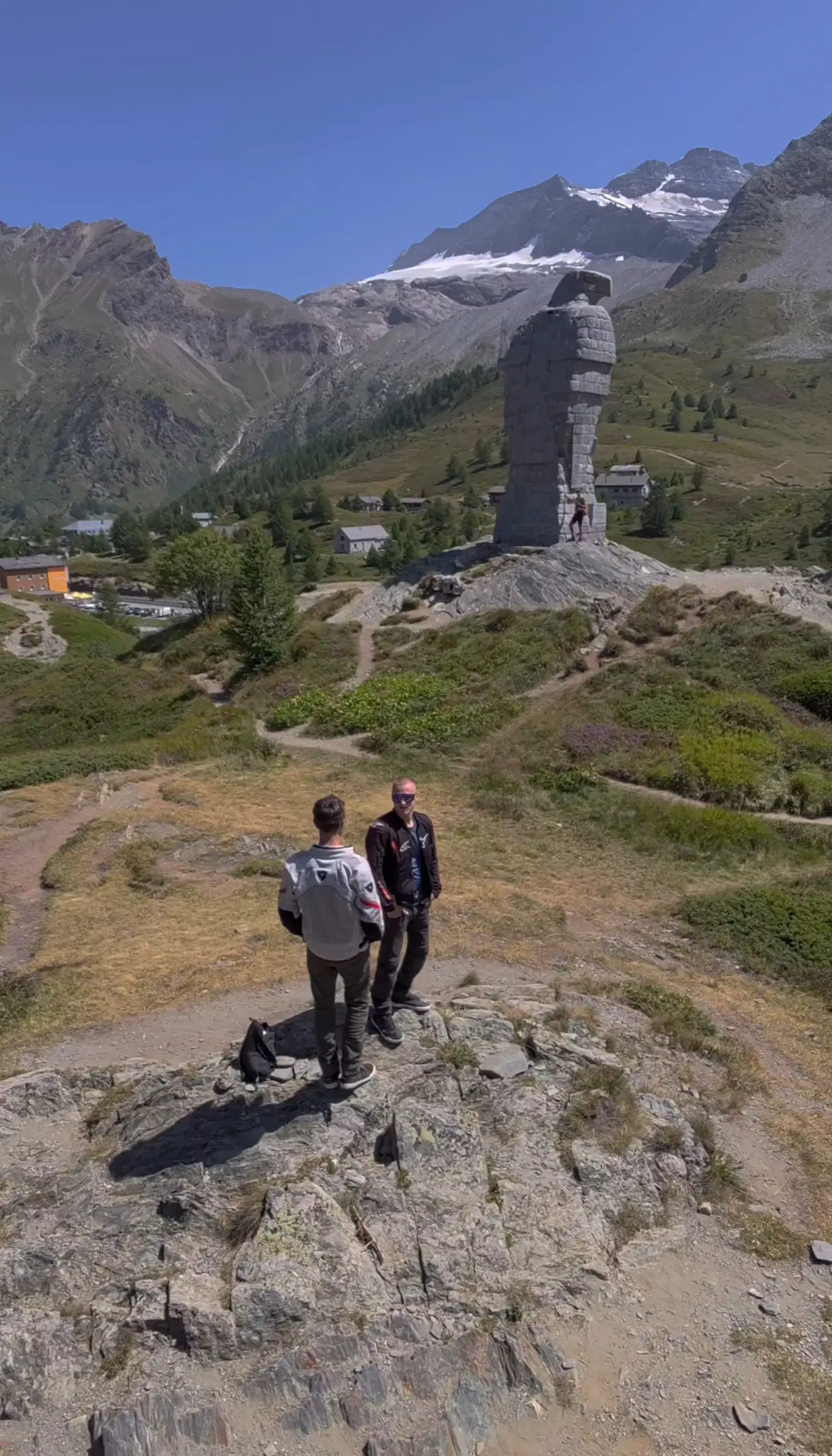
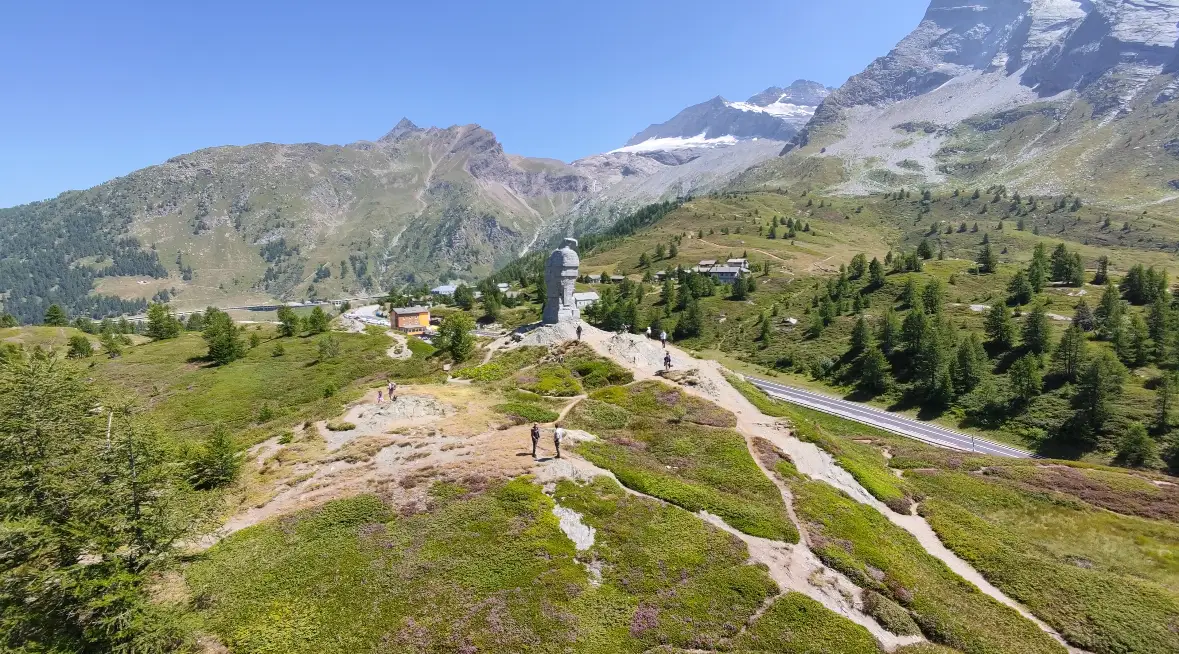
Simplon Pass (2,005 m): the gateway between Italy and Switzerland
The journey starts at the Simplon Pass, at 2,005 metres, linking the canton of Valais with the Italian province of Verbano-Cusio-Ossola. It marks the boundary between the Pennine and Lepontine Alps and for centuries was a key route between the Rhône basin and the Po Valley.
The modern road was built in Napoleonic times and is still a vital link between Milan and central Europe.
Furka Pass, Hotel Belvedere and the Rhône Glacier
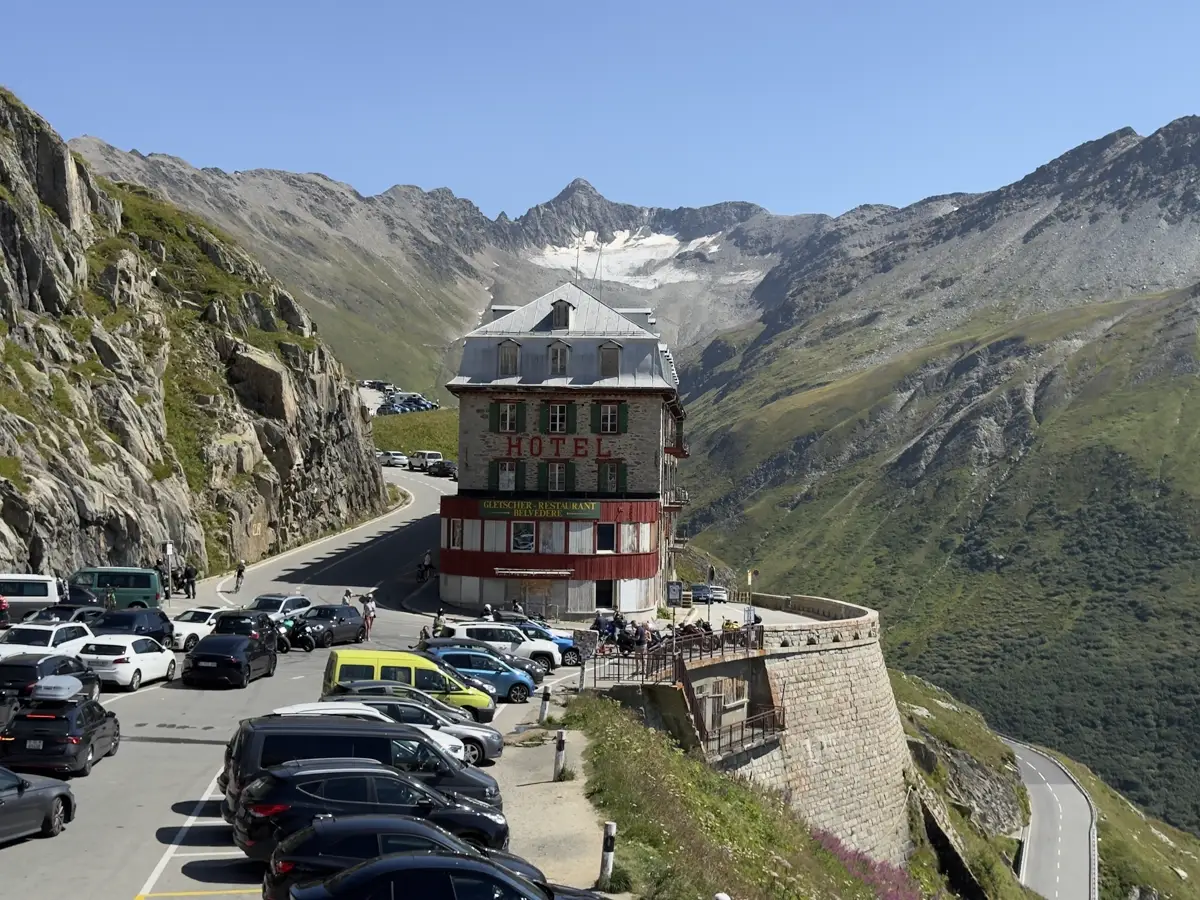
Next comes the Furka Pass, one of the highest passes in Switzerland (2,431 m), linking Andermatt in the canton of Uri with Gletsch in Valais, famous for its views and winding roads. Just below the pass stands the Hotel Belvedere, built in 1882 and made famous by the James Bond film Goldfinger.
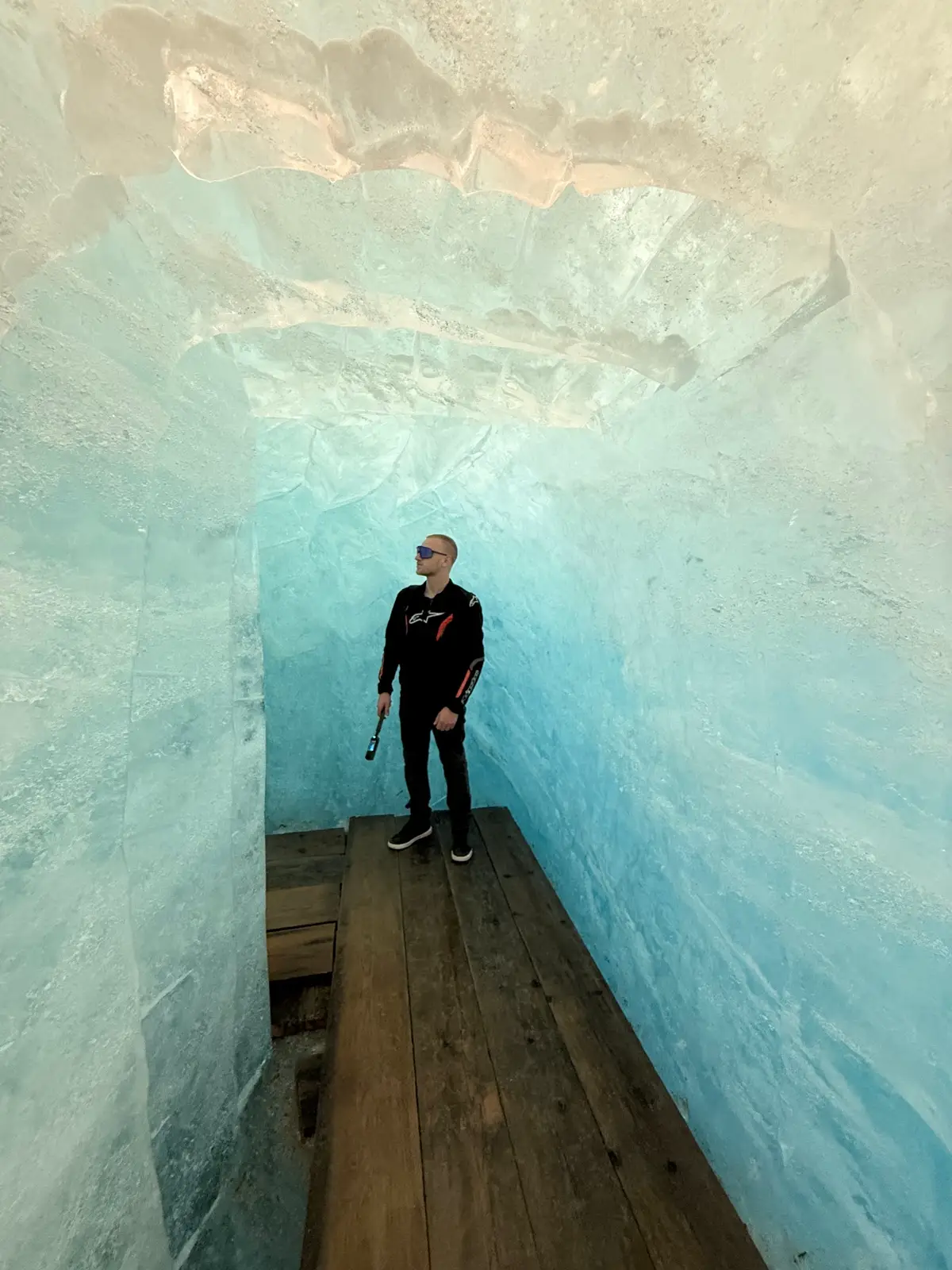
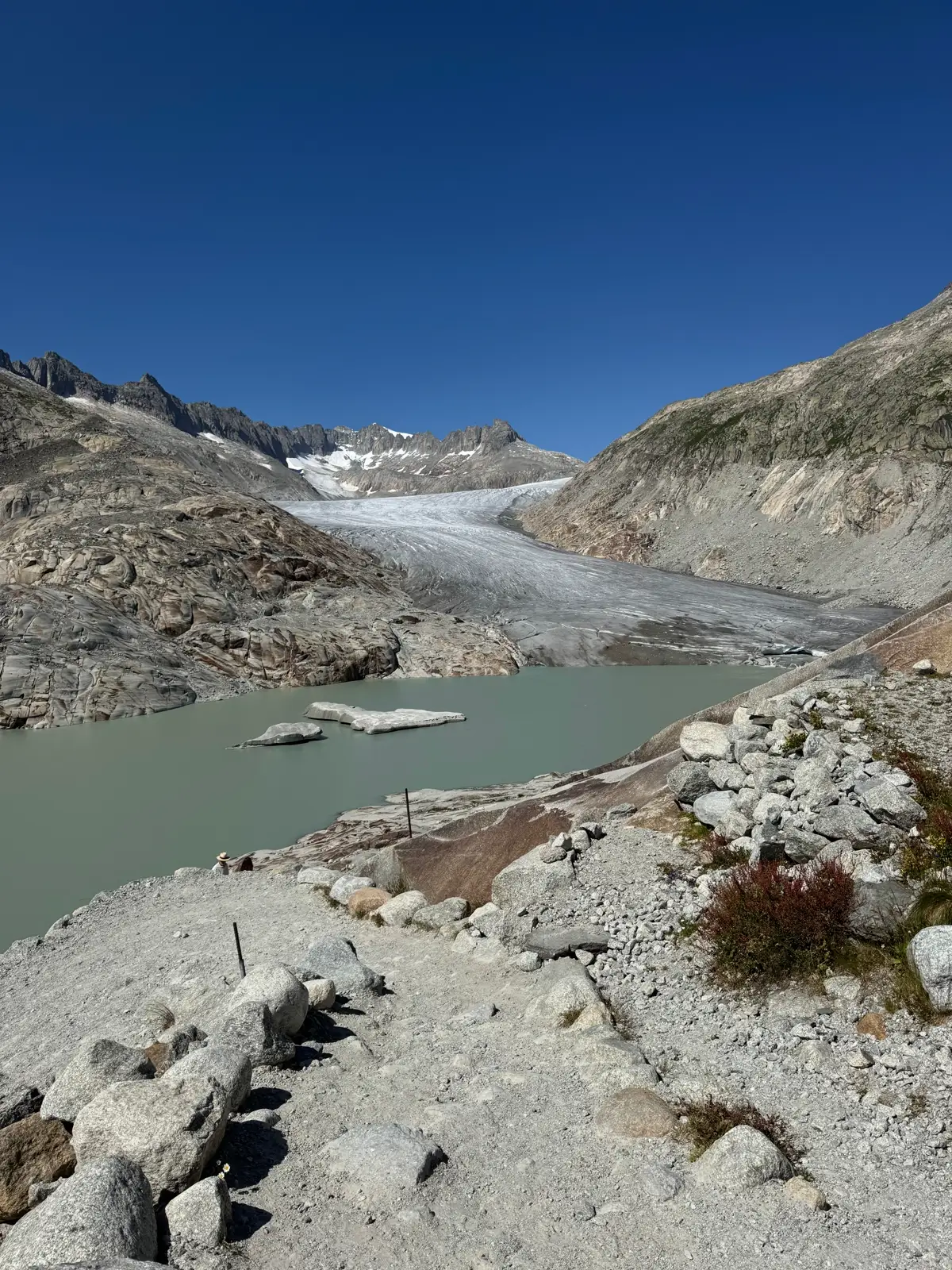
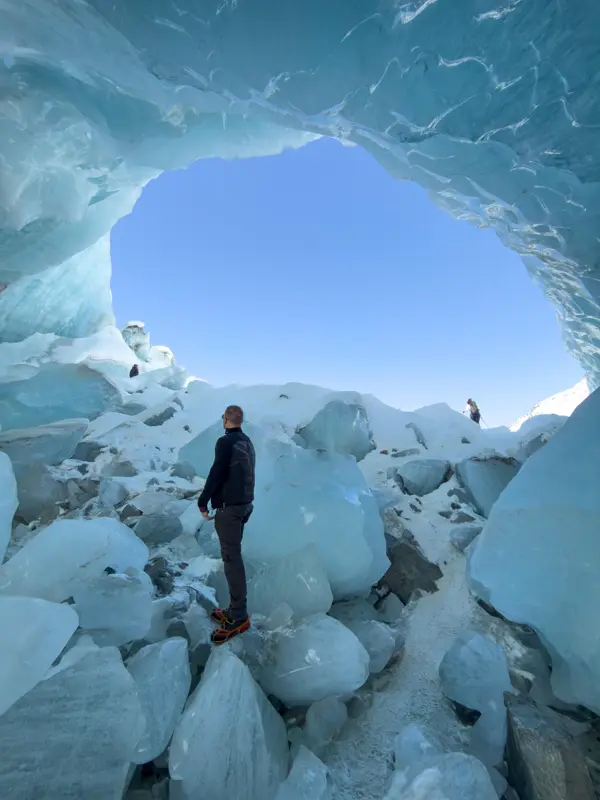
One of the highlights is the Rhône Glacier, easily reached from the road but now greatly reduced by climate change: part of its surface is covered with thermal blankets to slow the melting. Its best-known attraction is the Ice Grotto, dug out every year since 1870 and visited along a short information trail through ice corridors and impressive views. Admission was 9 Swiss francs.
Susten Pass (2,224 m): hairpins and glaciers
The Susten Pass, at 2,224 metres, links the canton of Bern with the canton of Uri in the Uri Alps. The road, built between 1939 and 1946, is one of the most recent in the Swiss Alps and is open mainly in summer.
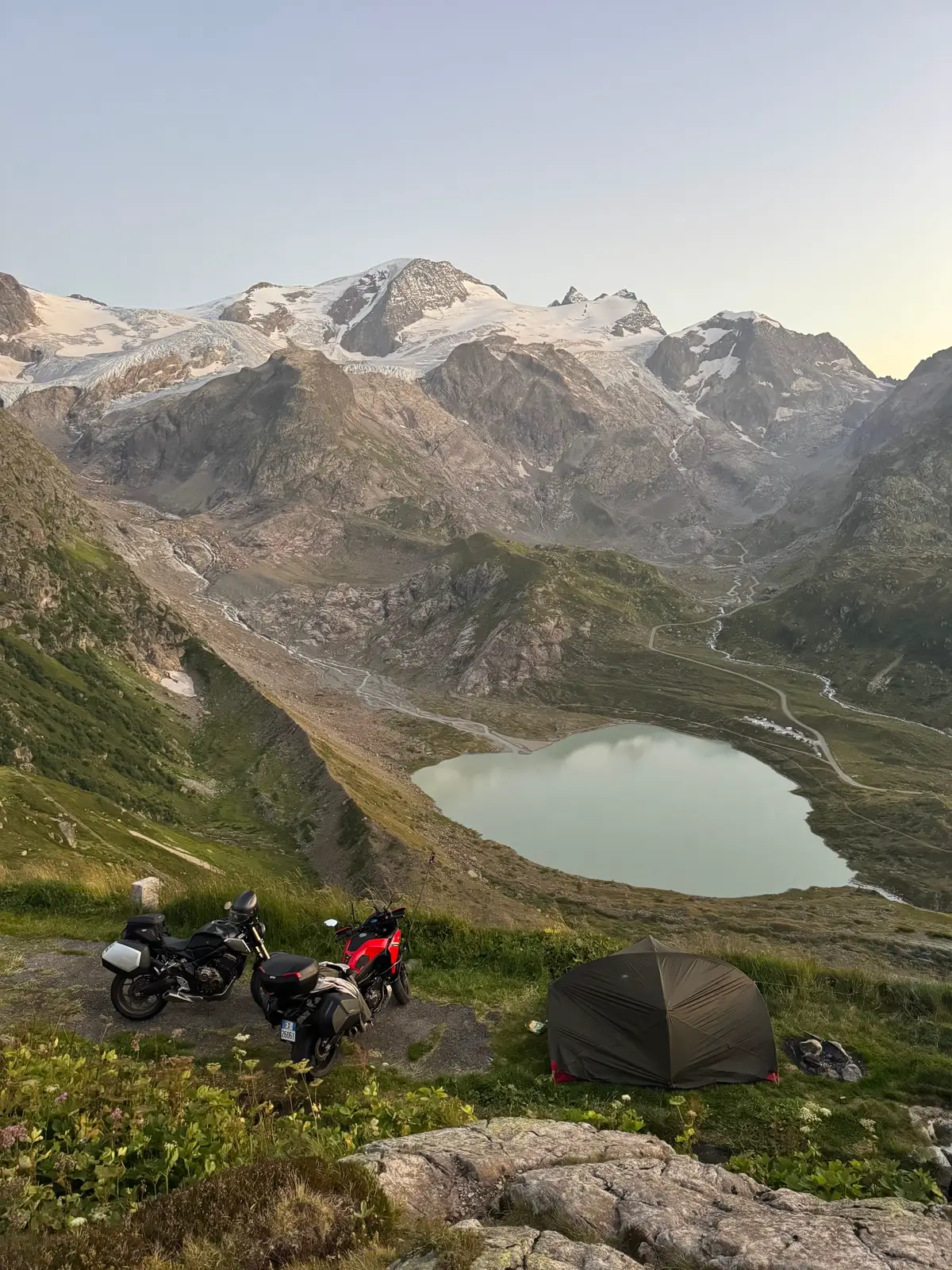
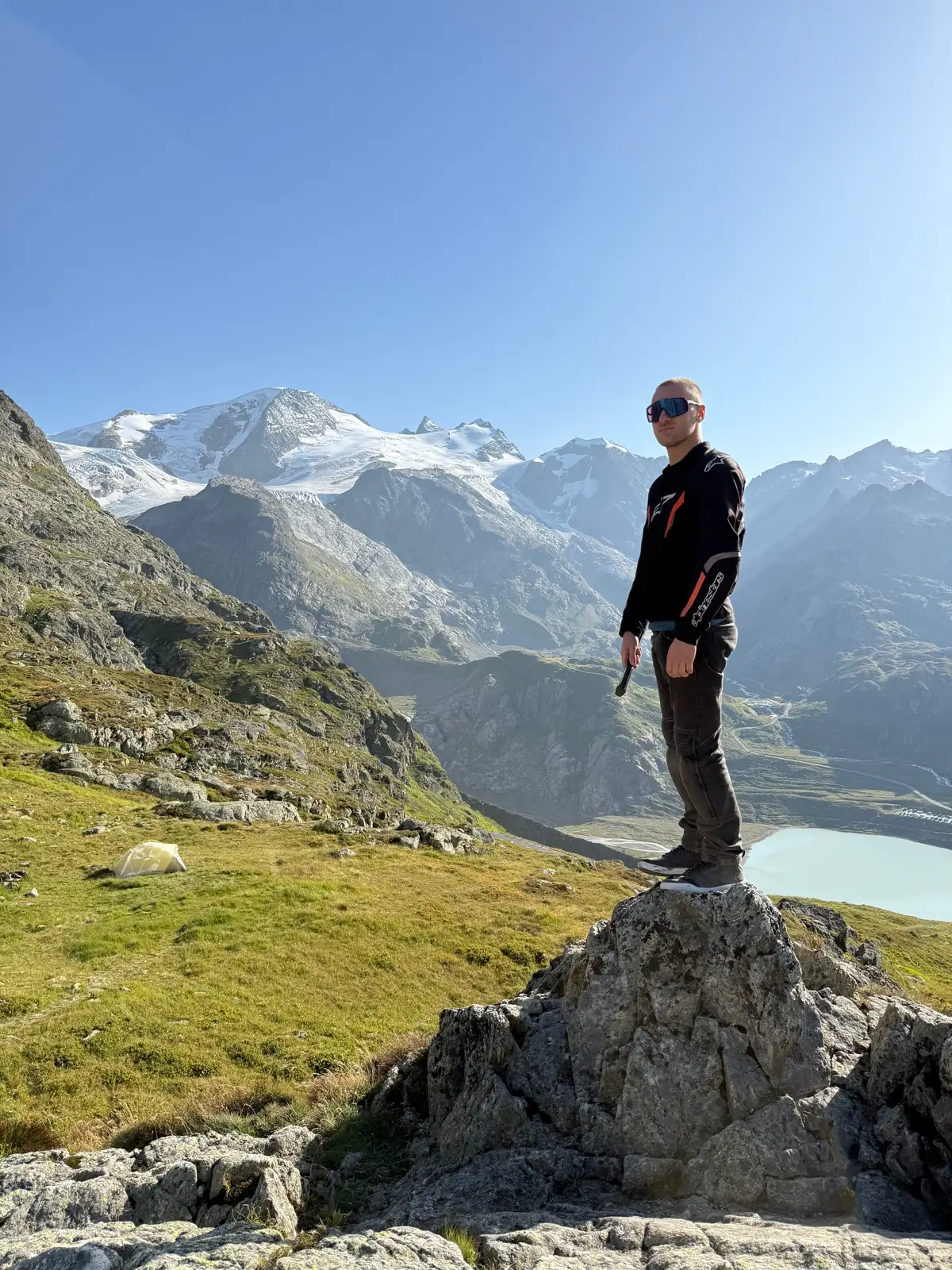
It is famous for its views of glaciers and mountains and for well-kept hairpins that draw riders and cyclists; nearby trails lead to peaks such as the Sustenhorn, and you can see retreating glaciers.
St. Beatus Caves above Lake Thun
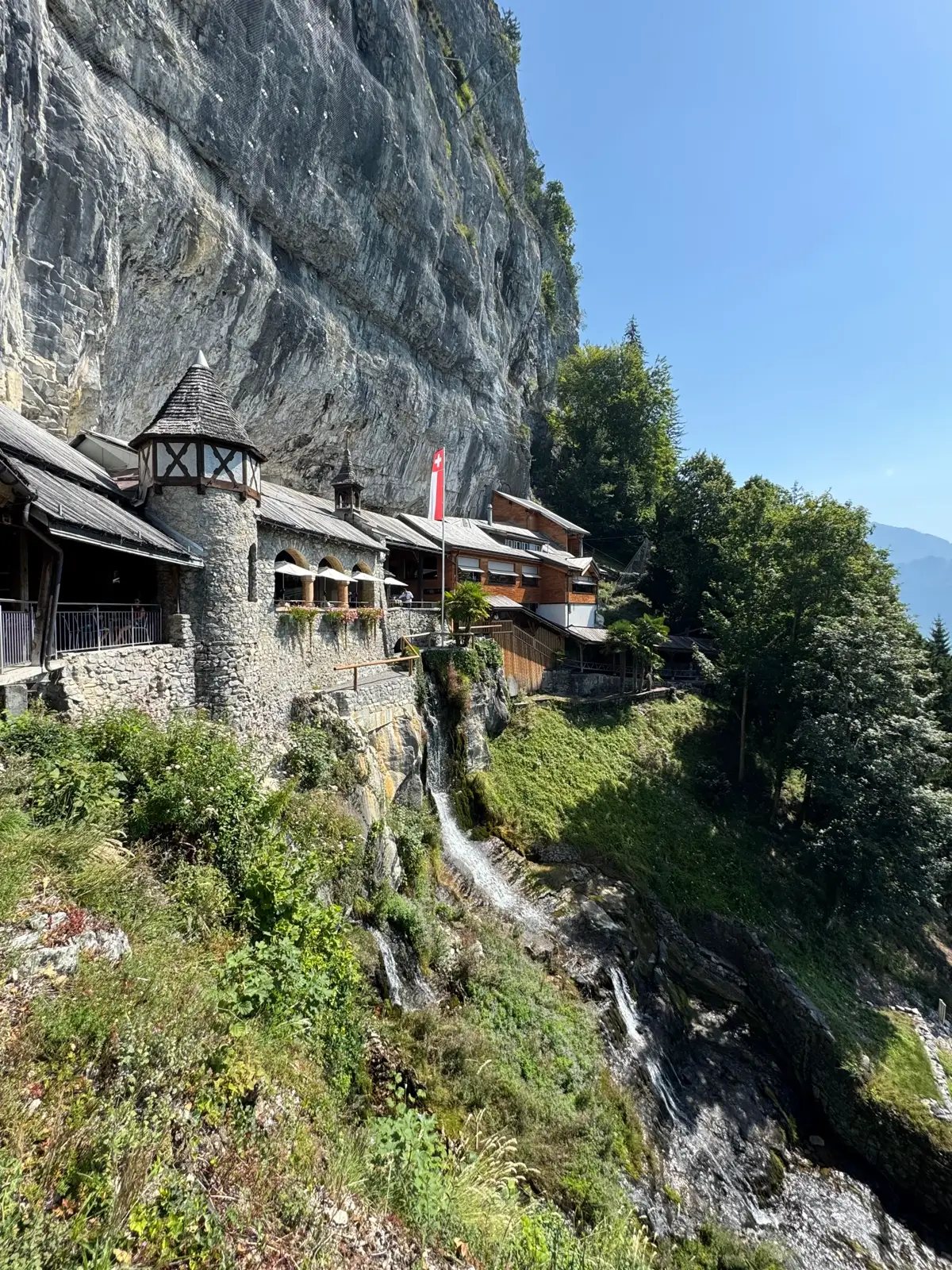
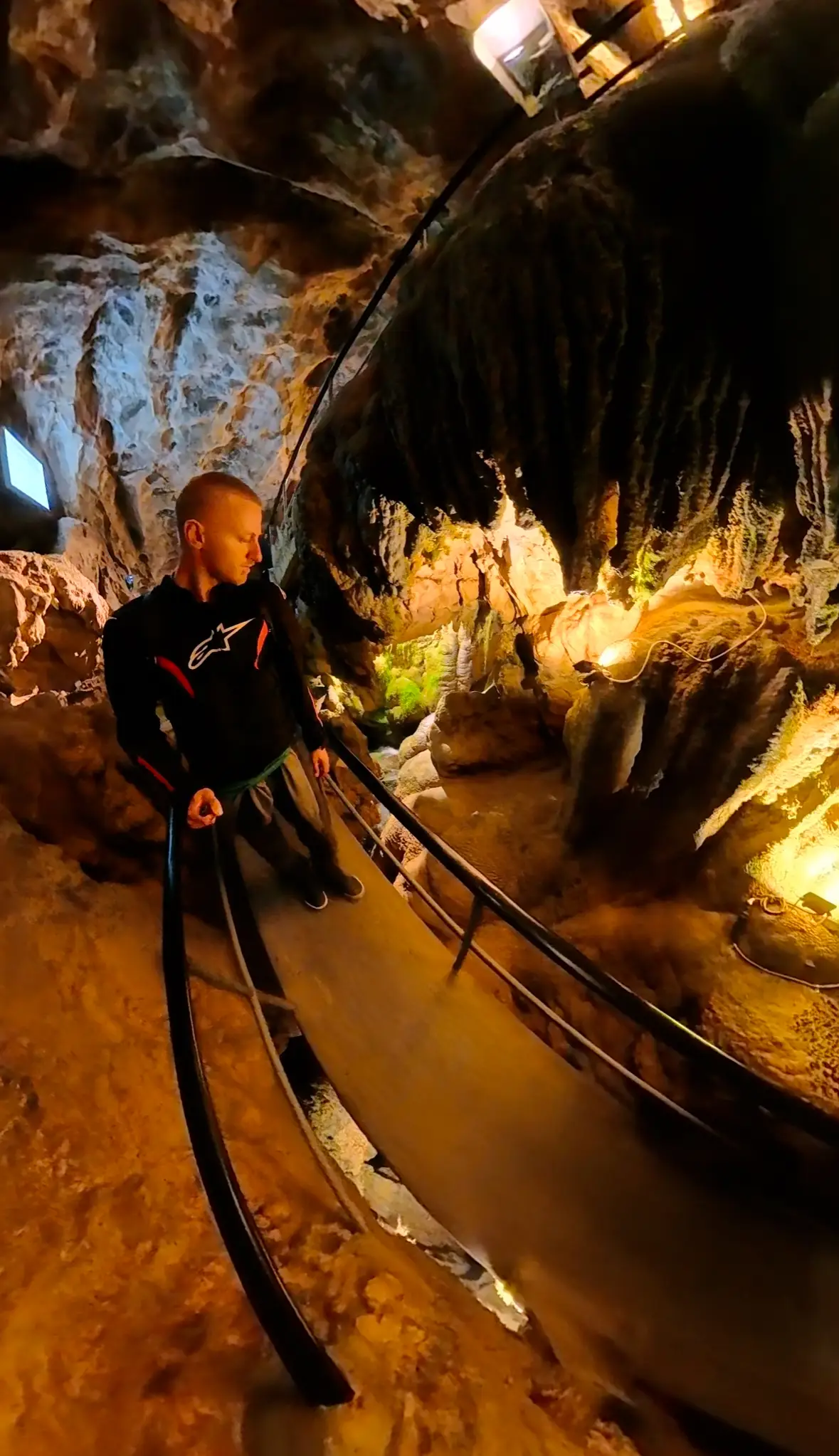
After a night in the tent I visited the St. Beatus Caves above Lake Thun: about one kilometre of passages open to the public, with spectacular stalactites, stalagmites and waterfalls and a constant temperature of 8–10 °C.
Legend says the monk St. Beatus drove out the dragon that lived in the caves. Today they are visited along illuminated paths and on guided tours; admission was 19 Swiss francs.
Grimsel Pass (2,165 m): granite, dams and lakes
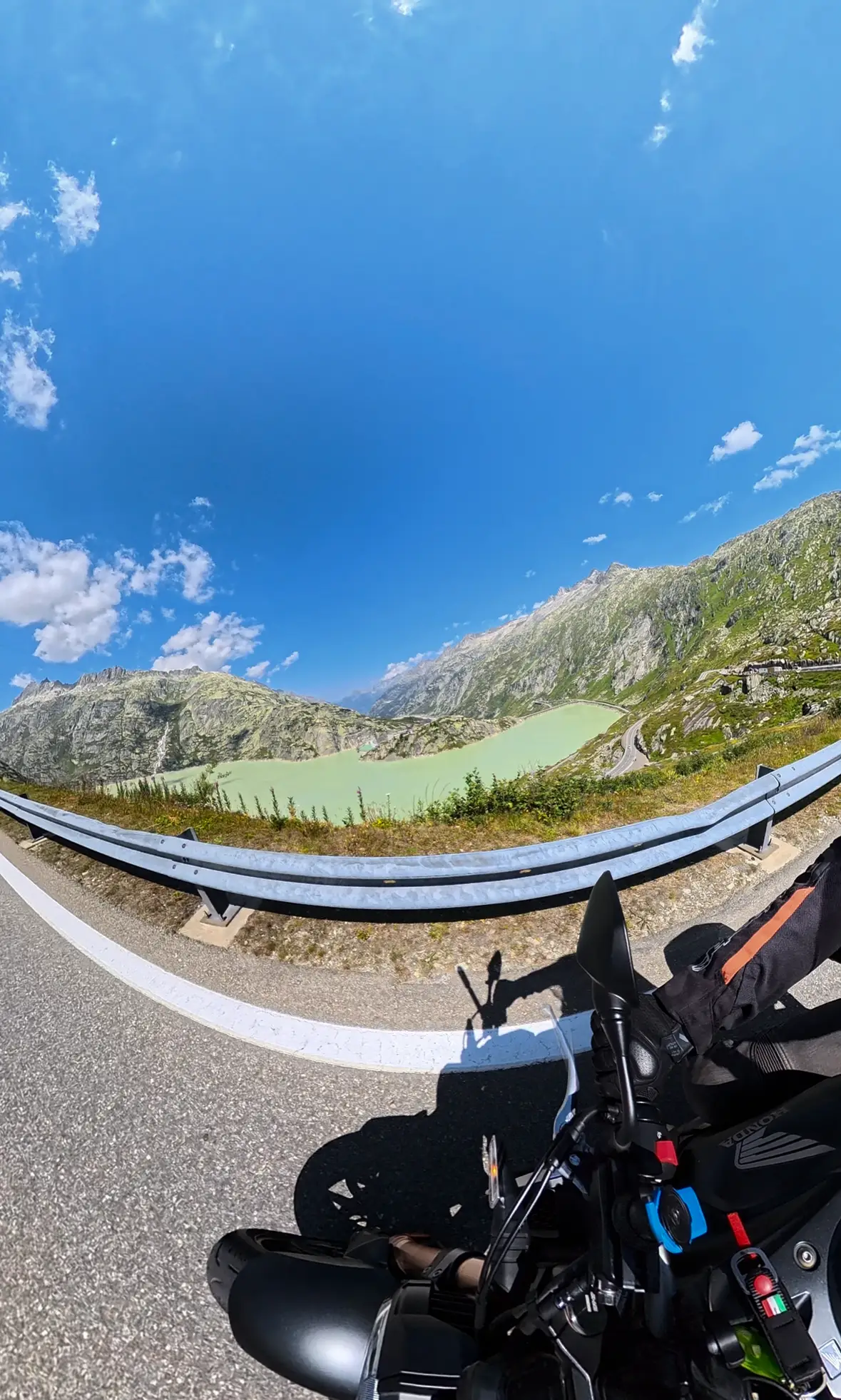
The next pass is the Grimsel, at 2,165 metres, linking the Hasli valley in the Bernese Oberland with Goms in Valais. It crosses a wild landscape of granite rock, dams and hydroelectric plants and is loved by hikers, cyclists and riders for its scenic roads and reservoirs such as Lake Grimsel.
Nufenen Pass (2,478 m): the highest entirely Swiss pass
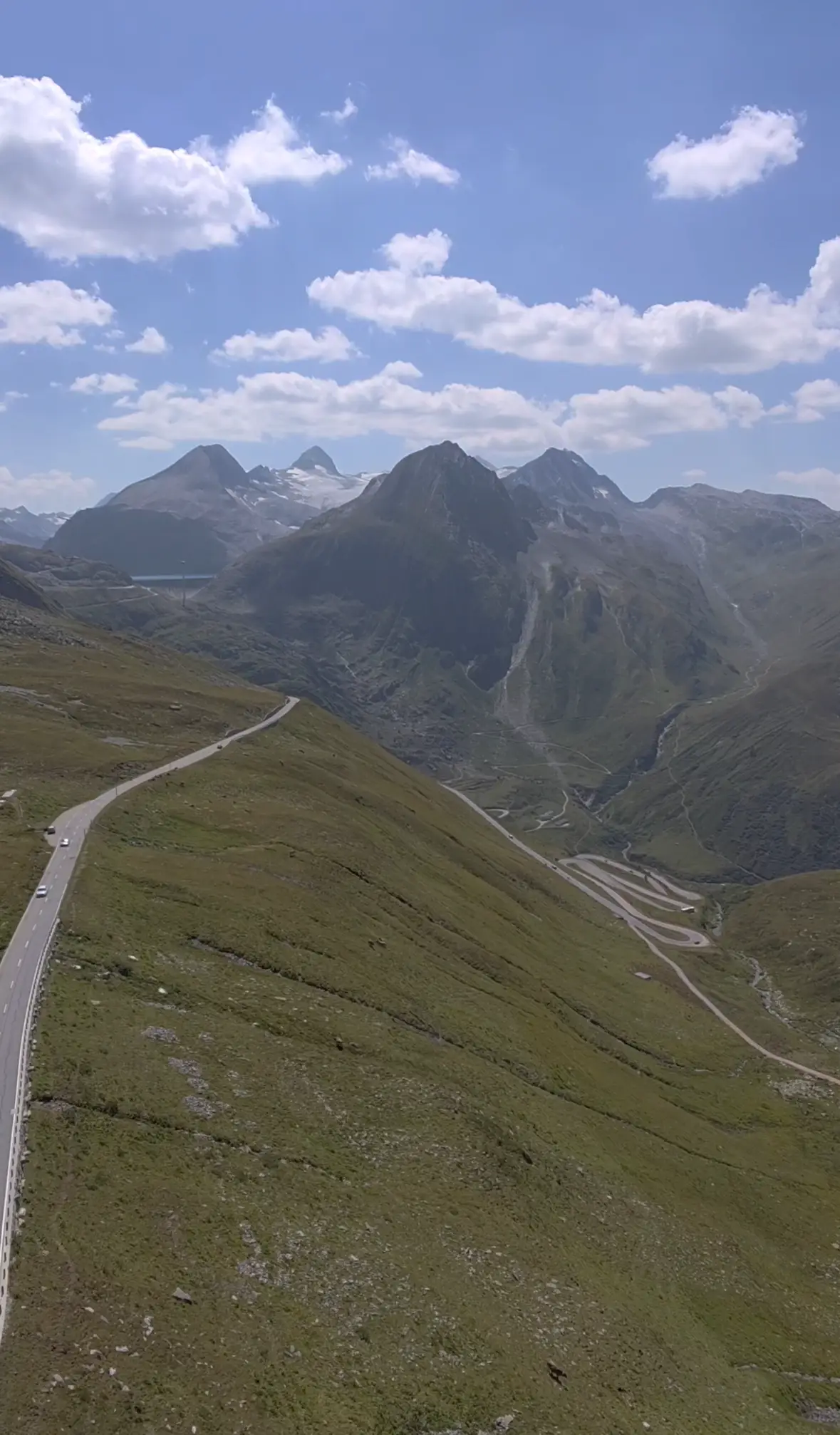
The Nufenen Pass, Passo della Novena in Italian, at 2,478 metres, is the highest Alpine pass entirely within Switzerland. It links the Goms valley in Valais with the Val Bedretto in Ticino along a 37 km road built between 1965 and 1969, surrounded by Alpine lakes and mountains: an important summer link between two different language regions.
Tremola of the Gotthard: 24 cobbled hairpins
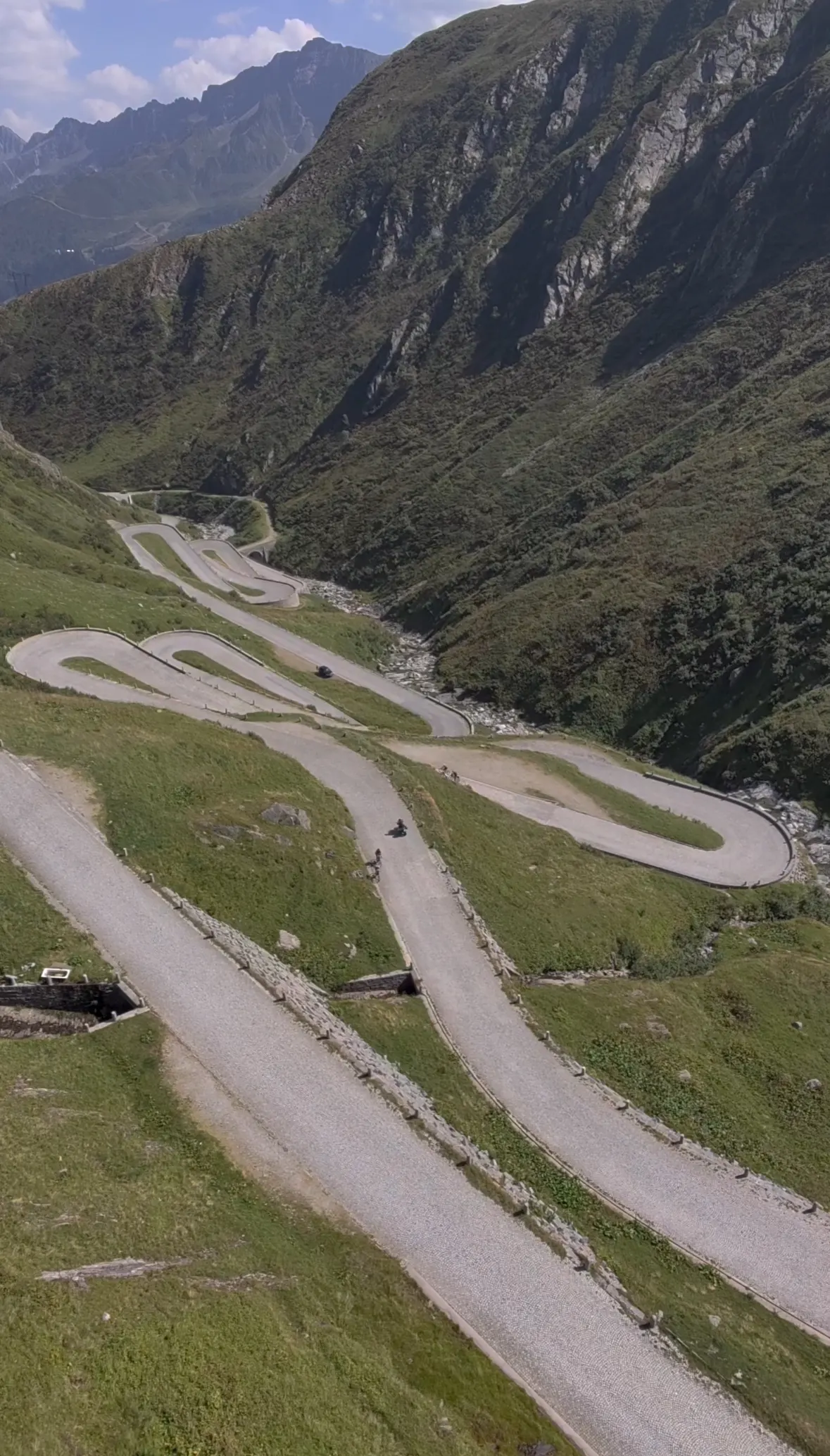
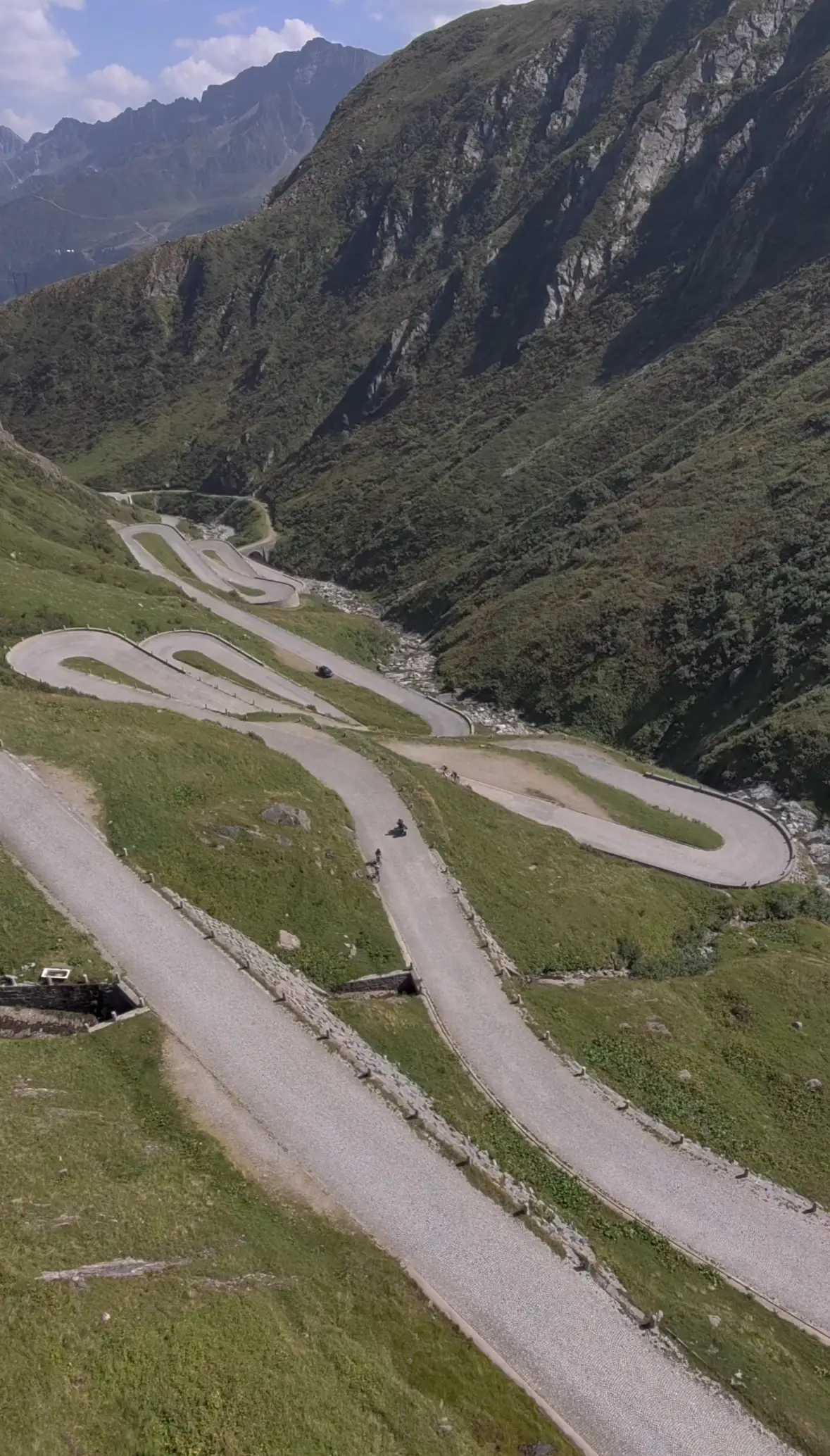
One of the most spectacular points of the route is the Tremola of the Gotthard, the historic hairpin road climbing from Airolo to the pass: 24 granite-cobbled hairpins over 4 km and 300 metres of elevation.
Built between 1827 and 1832 to a design by the Ticinese engineer Francesco Meschini, it keeps the charm of 19th-century engineering and is much loved by riders and fans of Alpine scenery for its views over the Leventina valley.
Oberalp Pass and the source of the Rhine
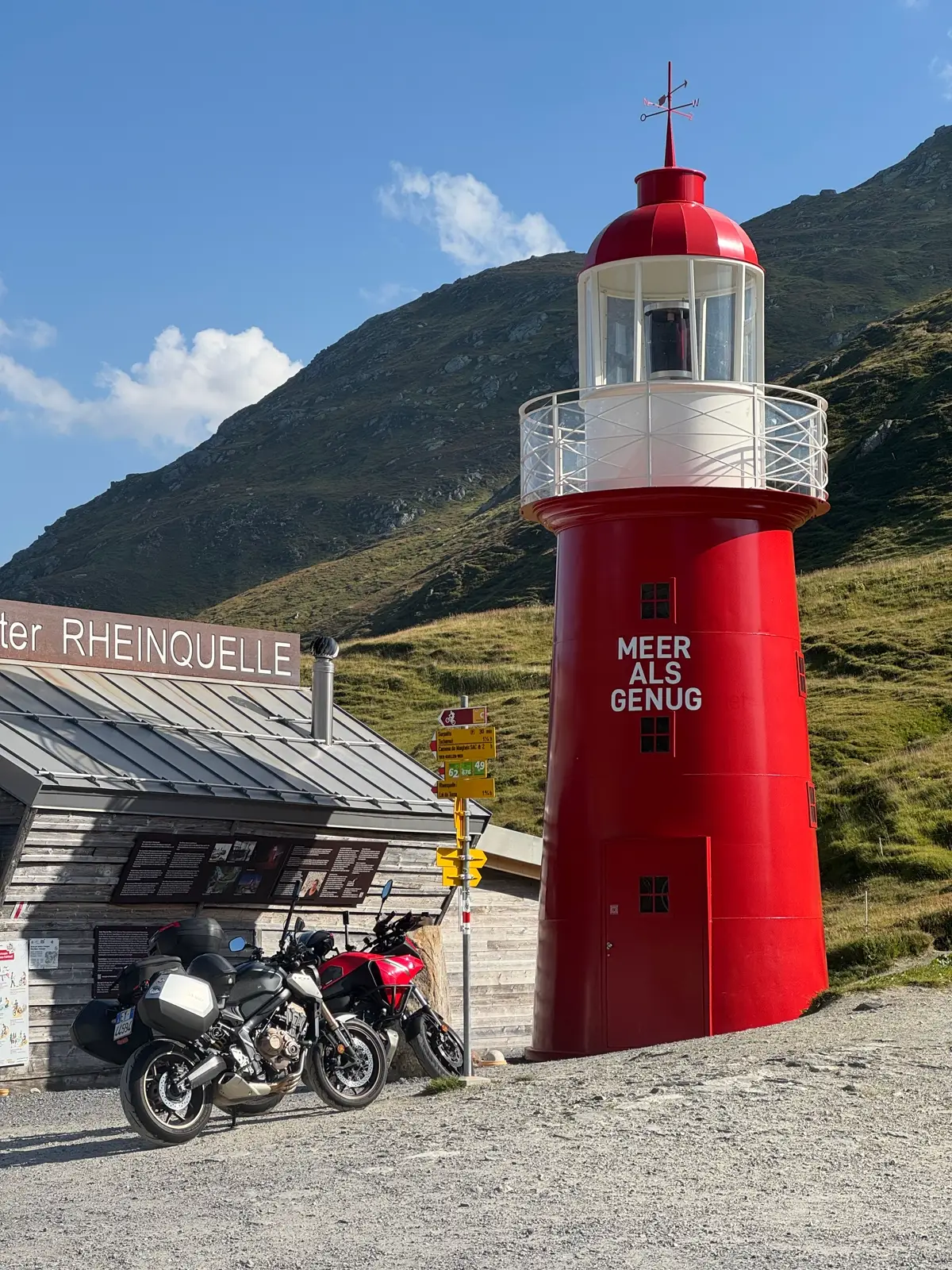
The Oberalp Pass, at 2,046 metres, links Uri and the Grisons through striking mountain scenery. It is home to Lake Oberalpsee, crossed by the Glacier Express railway, and lies close to the source of the Rhine, marked by a symbolic lighthouse.
Final stage: the Lukmanier Pass
The last stage of the day is the Lukmanier Pass, Passo del Lucomagno, at 1,915 metres, perhaps the least spectacular of the ride. It links the Blenio valley in Ticino with the Val Medel in the Grisons, separating the Lepontine Alps from the Adula Alps.
The modern road was built in 1877 along a route already used in Roman and medieval times, with hospices and fortifications along the way.